
"I don't have any good stories." If you've ever said this, you're wrong. You're not missing stories. You're missing a system for catching them.
The best stories don't come from skydiving or surviving a shipwreck. They come from Tuesday afternoons. From a look your kid gave you. From a conversation at the grocery store that changed how you think about something small — but important. Here's how to find them.
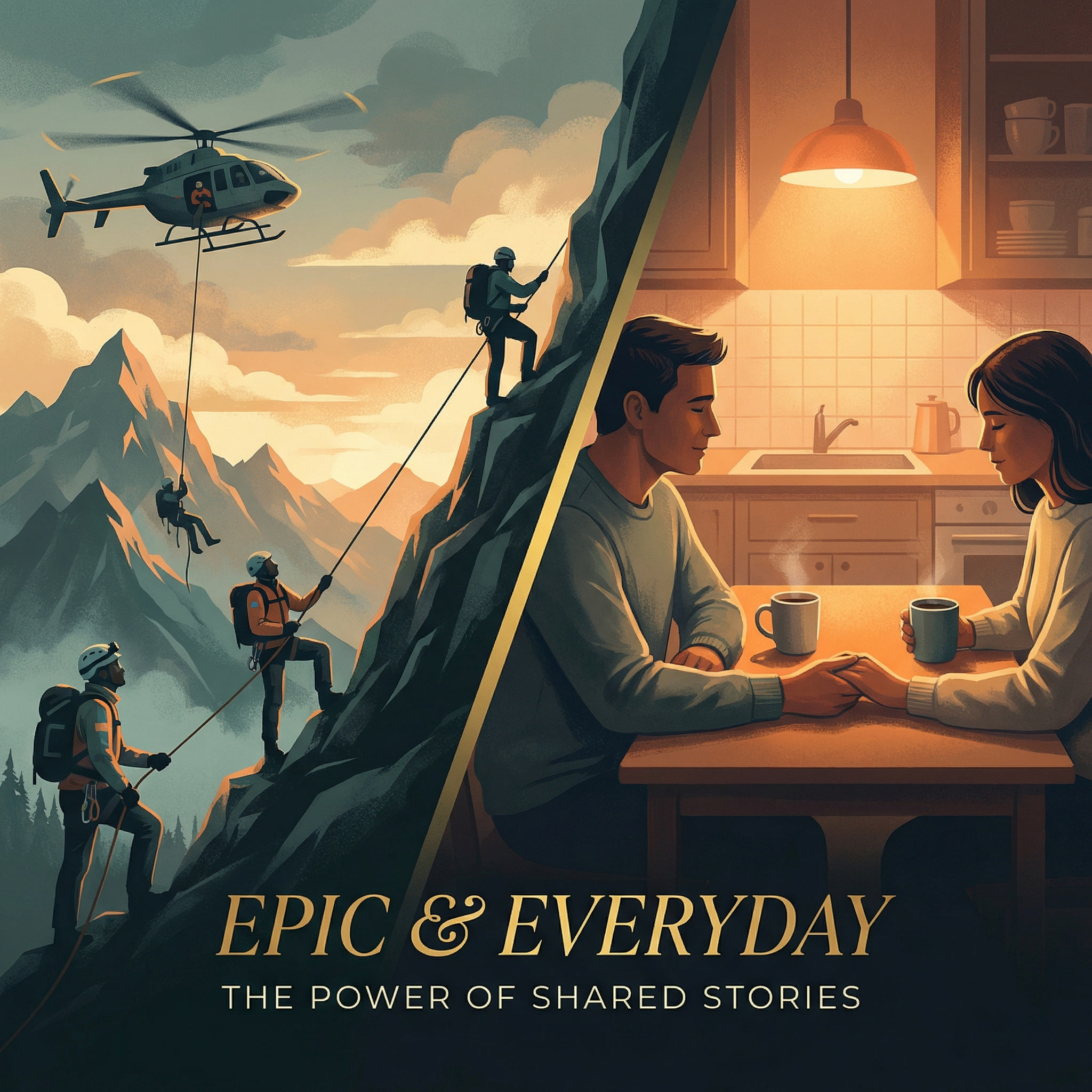
The Myth of the "Ambulance Story"
There's a widespread belief that good stories require drama. A near-death experience. A life-changing trip. A moment so extraordinary it practically narrates itself.
Wrong.
Those stories are actually harder to tell well. They're impressive, sure. But they're rarely relatable. Your audience has never been airlifted off a mountain. They have, however, sat in a parking lot after a hard conversation and not known what to do next.
The most powerful stories are small ones. A moment at the dinner table. A sentence someone said that you couldn't shake. The afternoon you realized you'd been wrong about something for years.
Small stories land harder because your audience can see themselves in them. And that's the whole point.
The 5-Second Moment
Here's what every story actually is: a moment of change. That's it. Not a sequence of events. Not a timeline. A single point where something shifted.
You used to think one thing. Then something happened. Now you think something different.
That shift — that precise instant — is your story. And it usually takes about five seconds.
"I used to think saying no made me difficult. Then my best client thanked me for pushing back on a bad idea. Now I know that saying no is the most valuable thing I offer."
That's a five-second moment. It's not dramatic. It's not cinematic. But it's true, it's specific, and anyone who has ever struggled to set a boundary will feel it in their chest.
Your job as a storyteller isn't to find extraordinary events. It's to find the five-second moment hiding inside ordinary ones.

Homework for Life: Build a Story Bank
Knowing about five-second moments is one thing. Catching them is another. That's where the Story Bank comes in.
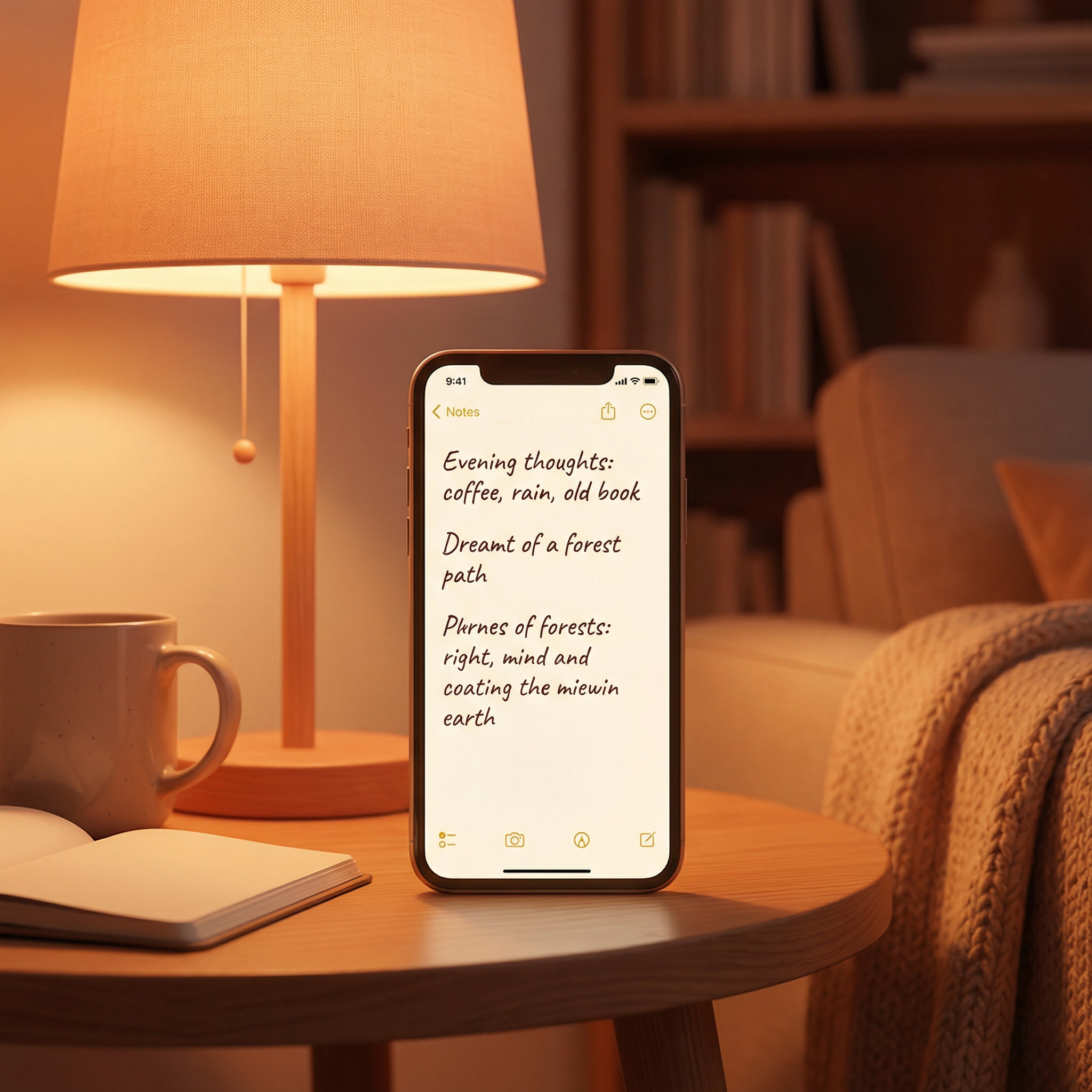
It's embarrassingly simple. Open a note on your phone. Title it "Story Bank." Then, every night before bed, ask yourself one question:
"What was the most story-worthy moment of today?"
Not the biggest moment. Not the most dramatic. The most story-worthy. The one that made you pause, laugh, wince, or think. Write it down in one or two sentences. Capture the who, what, where, and when.
That's it. No journaling. No long entries. Just a single moment, logged daily.
Here's what happens: after a week, you have seven potential stories. After a month, thirty. After a year, you'll never say "I don't have anything to talk about" again.
The magic isn't in any single entry. It's in the habit. Once you start looking for story-worthy moments, you start seeing them everywhere. Your brain gets trained to notice what it used to ignore.
The Universal Singular
There's a paradox at the heart of good storytelling: the more specific you get, the more universal it becomes.
Your audience doesn't need to have lived your exact experience. They need to recognize the emotion underneath it.
You describe the specific moment you realized your father was getting old — the way he fumbled with his phone, the way he asked you to read the menu because the print was too small. That's singular. That's yours.
But the feeling underneath — watching someone you love become fragile, the quiet terror of roles reversing — that's universal. Everyone knows it or will know it.
This is why vague stories fail. "I had a tough time with my parents" means nothing. But "I watched my dad squint at a menu for thirty seconds before he quietly asked me to read it" means everything.
Specificity is not a limitation. It's the doorway to connection.
Final Thoughts
You don't need a more interesting life. You need a better system for paying attention to the one you have.
Start your Story Bank tonight. Ask the question. Write the moment. Do it again tomorrow. Within weeks, you'll have more stories than you know what to do with — and every single one of them will be yours, specific, and impossible to fake.
That's the kind of content no algorithm can replicate and no competitor can steal.